

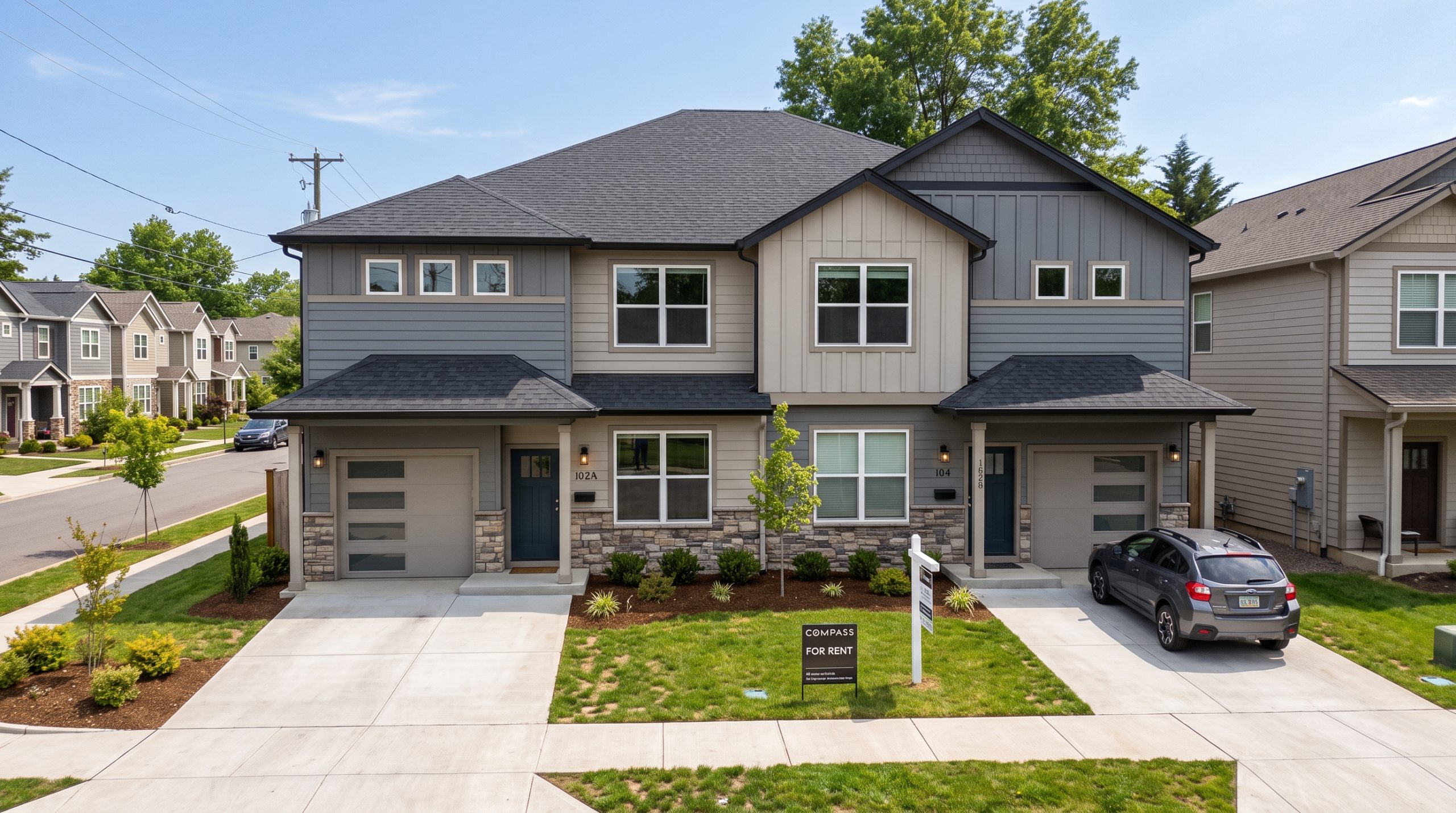
What are the pros and cons of renting out my current home versus selling it when I upgrade to my next home in 2026 or 2027?
Selling frees up your equity for your next purchase and keeps things simple, while renting preserves long-term appreciation but adds tax considerations, landlord costs, and ongoing responsibility. The right choice depends on your numbers, your timeline, and how hands-on you want to be.
Why This Decision Matters Right Now in the Denver Metro
If you own a home in the Denver Metro area and you are eyeing an upgrade, whether that means more space, a different neighborhood, or a home that better fits the next stage of life, timing is everything. The decision to sell or rent your current home is not just a lifestyle choice. It is a financial decision, a cash-flow decision, and a wealth-building strategy rolled into one.
As a Broker Associate and Certified Senior Advisor specializing in move-up buyers and sellers, I walk clients through this exact fork in the road regularly. What I tell people is this: neither path is universally better. The right answer depends on your equity position, your tax situation, your appetite for being a landlord, and how quickly you want to close on that next property. Let me break down both sides so you can make a confident call.
Taxes: The Factor Most Homeowners Underestimate
Selling a home you have lived in as your primary residence can come with meaningful federal tax benefits on your gain. Those benefits are tied to how you have used the home and when you sell it. Turning your home into a rental changes how it is treated, and waiting too long to sell can reduce or eliminate benefits you have already earned.
Renting also brings its own tax considerations, including how rental income and depreciation are handled now and when you eventually sell. None of this is a reason to avoid renting, but it is a reason to run the numbers with a CPA before you move out, not after.
The Case for Selling Before Your Upgrade
Selling your current home before you buy is often the cleanest financial path. Here is why.
You Protect Your Tax Position
Selling while the home still qualifies as your primary residence generally keeps your options simple and your tax benefits intact. Your CPA can tell you exactly what that means for your situation.
You Simplify the Upgrade Financially
Your sale proceeds become your down payment on your next home. You avoid carrying two mortgages at the same time, and you avoid the debt-to-income complications that can arise when lenders see a second mortgage on your profile, even if you plan to cover it with rental income.
You Eliminate Landlord Risk
Rental demand varies by price point and neighborhood across the Denver Metro. Higher-priced homes can face a smaller tenant pool and longer vacancies, which is worth factoring into any cash-flow model. Removing that uncertainty is itself a financial benefit.
You Can Negotiate From Strength
A buyer who has already sold and has cash in hand is a more attractive buyer than one whose offer depends on selling another property. In competitive segments, that advantage can matter.
The Case for Renting Out Your Current Home
Renting is not without its advantages, especially if you have a long-term investment mindset. Here is the other side.
Ongoing Rental Income
A well-located Denver Metro home can generate monthly cash flow. That income can offset your new mortgage payment, fund reserves, or add to your household earnings. Of course, you need to model realistic net income after property management fees, landlord insurance, HOA dues, maintenance, and potential vacancy.
Retained Appreciation
By holding the property, you continue to benefit from any value growth on an asset you already own. If your long-term plan includes building wealth through real estate, keeping your current home can be a strong first step.
Investment Strategies Down the Road
If you eventually want to sell the rental and reinvest in another investment property, there are strategies, such as a 1031 exchange, that may help you defer taxes. Whether one fits your situation is a question for your CPA and a qualified intermediary.
Hidden Costs of Becoming a Denver Metro Landlord
Before you commit to the rental path, you need to understand the costs that do not show up in a simple rent-versus-mortgage comparison.
- Property management fees. Professional management typically runs a percentage of monthly rent, and it adds up quickly.
- Landlord insurance. A standard homeowner’s policy generally won’t cover the home once tenants live there, so you will need a landlord policy, which typically costs more.
- Colorado landlord-tenant obligations. Colorado has specific rules covering habitability, security deposits, and lease disclosures, and some cities add their own. Noncompliance can expose you to liability.
- Vacancy and tenant turnover. Each vacant month is lost income plus continued carrying costs.
- Capital expenditures. As a landlord, you are responsible for major repairs, from HVAC systems and appliances to roofs and landscaping.
What I consistently see with sellers here is that the gap between gross rental income and true net income is wider than they expected. I always recommend building a detailed pro forma before making this decision.
How to Decide: A Framework for Denver Metro Homeowners
So how do you actually choose? Here is the framework I walk my clients through.
Step 1: Know your equity. Get a realistic estimate of what your home would sell for today and what you would walk away with after costs.
Step 2: Model your net rental income honestly. Include every expense: management, insurance, maintenance reserves, vacancy, and HOA. If your net income is thin, the rental path may not justify the complexity.
Step 3: Assess your timeline. Think about how long you would want to keep the home as a rental, and ask your CPA how that timeline affects your taxes when you eventually sell.
Step 4: Consider your appetite for landlord responsibilities. Being a landlord is not passive. It requires attention, capital, and patience.
Step 5: Talk to a tax professional. The tax side of renting versus selling is complex enough that general guidance only gets you so far. Your specific numbers matter.
Frequently Asked Questions
Is it better to rent or sell my Denver home before I upgrade?
There is no universal answer. Selling usually offers simplicity, cleaner financing, and a stronger buying position. Renting can offer income and long-term appreciation but adds costs, responsibility, and tax considerations. Your equity, goals, and timeline should drive the decision.
Does renting out my home affect my taxes when I sell it later?
It can. Converting your home to a rental changes how it is treated for tax purposes, and the timing of your eventual sale matters. Talk with a CPA before you move out so you understand the trade-offs for your situation.
Is a 1031 exchange a realistic option?
It can be for some homeowners who convert a home to a rental and later reinvest in another investment property. The rules are specific, so work with a CPA and a qualified intermediary before relying on this strategy.
What are typical landlord costs in the Denver Metro area?
Budget for property management fees, landlord insurance, HOA dues, maintenance reserves, potential vacancy, and major repairs. In my experience, these costs can significantly shrink what looks like an attractive rental income.
Will keeping my current home affect my ability to qualify for a new mortgage?
It can. Lenders will count the existing mortgage when calculating your debt-to-income ratio. Whether rental income from that home can help offset it depends on the loan program and your experience as a landlord, so model this with your lender before you commit to keeping the property.
Does selling first give me a stronger negotiating position on my next purchase?
Often, yes. A buyer with cash in hand and no sale contingency is more attractive to sellers, which can help in competitive situations.
Should I consult a CPA or tax attorney before deciding?
Absolutely. The tax side of renting versus selling is complex enough that general blog guidance cannot replace personalized professional advice. I always recommend my clients have these conversations before listing or converting a property to a rental.
The Bottom Line
Your decision to rent or sell your Denver Metro home before upgrading comes down to your financial goals, your tax situation, and your willingness to take on landlord responsibilities. Selling simplifies your purchase and puts your equity to work on your next home. Renting preserves long-term appreciation and potential income, but it brings landlord costs, added responsibility, and tax considerations worth reviewing with a professional.
As a Broker Associate with Compass serving move-up buyers and sellers across the Denver Metro area, I help homeowners work through exactly this kind of decision. If you are weighing your options and want a clear-eyed look at what your home could sell for today, or what it might realistically net as a rental, reach out to me, Joanne Jordan, at 303-956-6656 or through my website at denvermetrorealtor.com. Let’s build a plan that fits your numbers, not just your instincts.