


If you’re a first-time home buyer in Denver, could a condo in Governor’s Park be your smartest path to building real wealth?
Yes. Condos in Governor’s Park offer a lower entry price than detached homes, qualify for conventional financing, and let you start building equity instead of paying someone else’s mortgage through rent.
Why This Matters Right Now for Buyers
If you’ve been watching Denver’s housing market and feeling like homeownership is out of reach, you’re not alone. Many first-time buyers assume they need to save for years before they can compete for a detached single-family home. But here’s what I tell my clients: you don’t have to start at the top of the ladder to start climbing it.
Governor’s Park sits in central Denver, adjacent to Cheesman Park and within walking distance of Capitol Hill and the Golden Triangle. It’s one of Denver’s most walkable pockets, and its condo inventory gives first-time buyers a realistic entry point into homeownership. The 2026 conforming loan limit for Denver County is $862,500, as announced by the FHFA in November 2025. That means most condo purchases in this area qualify for conventional financing with competitive rates, not jumbo loan territory with stricter requirements.
As a Broker Associate specializing in first-time home buyers, I see this disconnect every day: people who can afford to buy are still renting because they think they need more money than they actually do. Let me walk you through why a Governor’s Park condo could change that equation for you.
How My Governor’s Park Condo Gets You Into the Wealth-Building Game
Every month you pay rent, that money is gone.
This is the core wealth-building mechanism that renters miss. Even if your condo appreciates modestly over a five to seven year hold, the combination of principal paydown and appreciation can create a meaningful equity position. That equity becomes the stepping stone to your next home, whether that’s a larger condo, a townhome in Greenwood Village, or a single-family home in the Cherry Creek School District.
What does that actually look like in practice? Consider that a buyer using an FHA loan at 3.5% down on a $400,000 condo needs roughly $14,000 for the down payment. Compare that to a $700,000 detached home requiring about $24,500 at the same percentage. That’s a $10,500 difference in cash you need at closing, and it could be the difference between buying now and waiting another two or three years while rent keeps rising.
The math here isn’t complicated: the sooner you stop renting and start owning, the sooner your monthly housing payment starts working for you instead of against you. In Governor’s Park, condos give you that on-ramp.
What Centralized Building Systems Mean for Your Budget in Governor’s Park
One thing I always point out to first-time buyers is the hidden cost of homeownership that nobody talks about: surprise maintenance. When you own a detached home and the furnace dies in January, that’s potentially an $8,000 to $15,000 expense that lands in your lap with no warning.
This is exactly why I’m excited about condos like the one at 700 N Washington St, Unit 202, right here in Governor’s Park. In that building, centralized systems mean you aren’t worrying about the furnace, A/C, or hot water heater as an individual owner. In many condo buildings, those major mechanical systems are typically the HOA’s responsibility — though it’s always worth confirming in the specific building’s HOA documents.
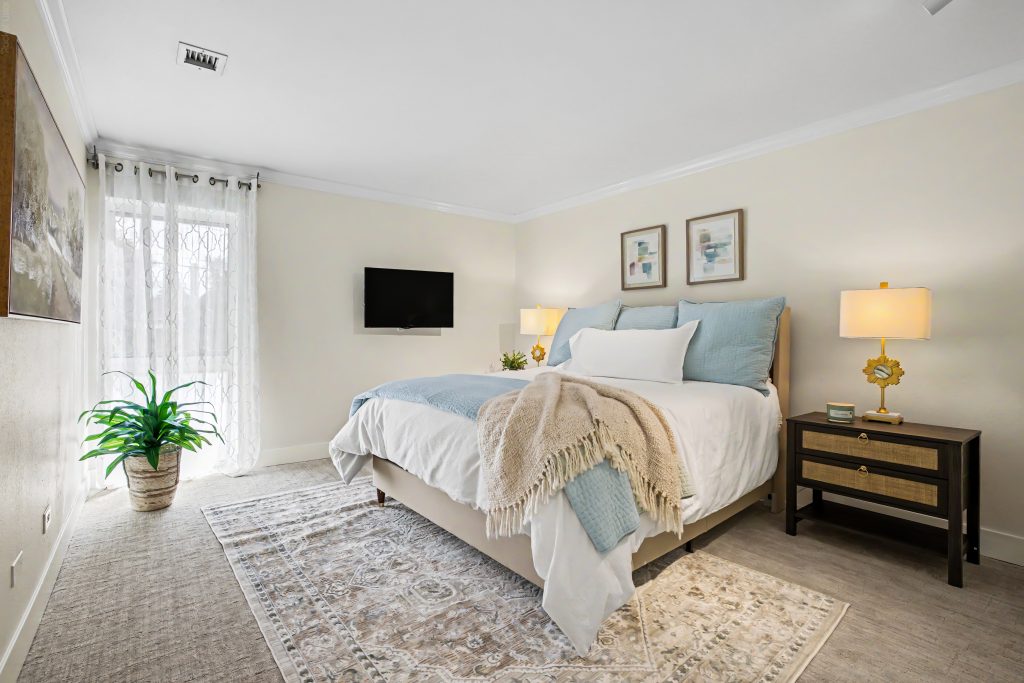
For a first-time buyer still building financial reserves, this is a significant safety net. You’re not one broken water heater away from draining your emergency fund. Your HOA dues cover the cost of maintaining these shared systems, and while those fees are an additional monthly expense, they also remove the unpredictability that can make first-time homeownership feel financially precarious.
Think of it this way: a single-family homeowner pays for maintenance too, but they pay it in large, unpredictable chunks. Your HOA fee spreads that cost into a predictable monthly amount, which makes budgeting dramatically easier when you’re just getting started.
How Governor’s Park Walkability Saves You Real Money
Here’s something that doesn’t show up on a mortgage calculator but absolutely affects your bottom line: transportation costs. For most Americans, transportation is the second-largest household expense behind housing. With gas prices elevated right now, the walkability of Governor’s Park is more than a lifestyle perk; it’s a genuine financial advantage.
Governor’s Park is located roughly 1.5 miles east of downtown Denver, right in the urban core’s walkable grid. When I look at this neighborhood, I see buyers who can leave their car parked for days at a time because so many daily needs, from groceries to restaurants to entertainment, are accessible on foot. Capitol Hill is right there. The Golden Triangle is right there. Cheesman Park is literally next door.
What I see with first-time buyers in this area is that the money they might save on gas, parking, and vehicle wear can free up room in their monthly budget. That budget flexibility could go toward extra mortgage principal payments, building an emergency fund faster, or simply making monthly costs more manageable.
So when you’re comparing the total cost of a Governor’s Park condo against a less-central home that requires driving everywhere, make sure you’re including transportation in that calculation. The numbers often surprise people.
Understanding HOA Fees: The Trade-Off That Makes Sense in Governor’s Park
Let’s address the elephant in the room, because every first-time buyer asks me about it: HOA fees. “Why would I pay extra on top of my mortgage?” It’s a fair question, and the answer matters.
Your HOA fee in a Governor’s Park condo isn’t an extra charge layered on top of normal homeownership costs. It replaces expenses you’d pay anyway if you owned a detached home, but replaces them with something predictable instead of something random. Here’s what a typical condo HOA covers:
- Exterior maintenance and structural repairs on the building envelope
- Insurance on the building’s structure (you only need to insure the interior and your belongings)
- Centralized mechanical systems like the furnace, A/C, and hot water heater in buildings like 700 N Washington St, Unit 202
- Common area upkeep, landscaping, snow removal
- Reserve funds for future capital improvements
The right way to evaluate a condo’s affordability is to compare your total monthly housing cost (mortgage plus HOA plus condo insurance) against what you’re currently paying in rent and what you’d pay for a detached home including all its maintenance. In some cases, especially in Governor’s Park where condo prices can offer a lower entry point than single-family homes, the total cost comparison may favor the condo — though the right answer depends on your specific loan, HOA fee, and the homes you’re comparing, and you’re building equity on top of it.
What I tell my clients is this: don’t let HOA fees scare you away from the bigger picture. Understand what they cover, review the HOA’s financial health and reserve study, and then make your decision based on the complete picture.
Financing This Governor’s Park Condo: What First-Time Buyers Need to Know
The financing side is where a lot of first-time buyers get stuck, so let me simplify it. The 2026 conforming loan limit for Denver County is $862,500, per the FHFA’s conforming loan limit data for November 2025. That number is well above what most Governor’s Park condos sell for, which means you’re almost certainly qualifying for conventional financing with Fannie Mae or Freddie Mac pricing, not a jumbo loan with stricter requirements and often higher rates.
Here’s why that matters to you:
- Conventional loans with as little as 3% down are available to first-time buyers through programs backed by Fannie Mae and Freddie Mac
- FHA loans at 3.5% down are another option, though condo buildings need to be FHA-approved, and this building IS FHA-approved!
- Conforming loan rates are typically more competitive than jumbo or portfolio loan rates, meaning a lower monthly payment on the same purchase price
With the Denver metro’s conforming limit at $862,500, you have substantial room to finance a condo purchase without bumping into jumbo territory. This is a meaningful advantage that many first-time buyers in Governor’s Park don’t realize they have.
As a Certified Senior Advisor and Broker Associate who works with buyers across the spectrum, from first-time purchases to South Denver Metro luxury homes, I can tell you that the financing conversation is often where the “I can’t afford it” myth gets debunked. Many renters are closer to qualifying for a condo than they think.
Frequently Asked Questions
Is a condo in Governor’s Park a good first home in Denver?
For many first-time buyers, yes. Governor’s Park condos typically offer a lower price point than detached homes in Denver, meaning a smaller down payment and easier qualification. The neighborhood’s central location near Cheesman Park, Capitol Hill, and the Golden Triangle adds lifestyle value. You also begin building equity immediately instead of paying rent with no return.
How much do I need for a down payment on a Governor’s Park condo?
That depends on your loan program. Conventional loans backed by Fannie Mae and Freddie Mac allow as little as 3% down for first-time buyers. FHA loans require 3.5% down. On a $400,000 condo, that means roughly $14,000 for the down payment itself, though you’ll also need funds for closing costs. A lender can give you a precise estimate based on your situation.
What does my HOA fee actually cover in this Governor’s Park condo?
HOA fees generally cover building insurance, exterior maintenance, common area upkeep, snow removal, landscaping, and in many buildings, centralized mechanical systems like HVAC and hot water. In buildings with centralized systems, you aren’t personally responsible for replacing a furnace or water heater. The fee replaces unpredictable maintenance costs with a fixed monthly amount. This building also offers a sauna, hot tub, steam room, exercise room, and community room, plus an onsite property manager.
Will I build equity owning a condo or is it better to keep renting?
You build equity two ways as a condo owner: through principal paydown on your mortgage each month and through any appreciation in the property’s value over time. Renters build no equity regardless of how long they stay. Over a five to seven year hold, the combination of these factors can create a meaningful financial cushion that helps you move to your next home.
What is the 2026 conforming loan limit for Denver County?
The 2026 conforming loan limit for Denver County is $862,500 for a one-unit property, as announced by the FHFA in November 2025. This means most condo purchases in Governor’s Park and throughout Denver qualify for conventional financing at competitive rates rather than requiring a jumbo loan with stricter underwriting and potentially higher interest rates.
Can I use an FHA loan to buy a condo in Governor’s Park?
FHA loans are available for condo purchases, but the building itself needs to be on the FHA-approved condo list or receive a single-unit approval. Not every building qualifies, but this building IS FHA-approved! If you’re looking at other buildings, it’s worth checking FHA approval status early in your search. Your lender can help verify this for specific buildings you’re interested in.
How does walkability in Governor’s Park save me money?
Governor’s Park is located in Denver’s urban core, roughly 1.5 miles east of downtown, with Capitol Hill, the Golden Triangle, and Cheesman Park accessible on foot. With gas prices elevated, the ability to leave your car parked for daily errands may reduce your transportation costs, freeing up budget that could go toward your mortgage or savings.
Are condo HOA fees a waste of money for first-time buyers?
No. HOA fees cover services and maintenance that single-family homeowners pay for separately and unpredictably. The key is understanding what your specific HOA covers, reviewing the association’s financial reserves, and comparing your total monthly cost against both your current rent and the total cost of owning a detached home. In many cases, the trade-off makes strong financial sense.
How long should I plan to live in a Governor’s Park condo before selling?
A general guideline is five to seven years, which typically allows enough time for principal paydown and potential appreciation to offset your transaction costs when you sell. However, your specific situation, including your loan terms, the market environment, and your personal goals, will determine the right timeline. I always recommend discussing your long-term plan before you buy.
Why should I work with a REALTOR who specializes in first-time buyers for my condo purchase?
The condo buying process has unique elements that differ from purchasing a detached home, including HOA document review, understanding reserve studies, verifying building insurance and loan eligibility, and evaluating centralized versus individual systems. Working with an agent who specializes in first-time buyers, and who knows the specific buildings and neighborhoods you’re considering, can help you avoid costly mistakes and find the right fit.
The Bottom Line
If you’re a first-time buyer watching Denver home prices and wondering if you’ll ever get into the market, I want you to take a closer look at Governor’s Park condos. The combination of a lower entry price, centralized building systems that protect your budget, a walkable neighborhood that saves you money on transportation, and access to competitive conventional financing at Denver County’s $862,500 conforming loan limit creates a real path to wealth-building that starts now, not someday.
Rated 5 out of 5 stars by past clients and specializing in first-time home buyers as a Certified Senior Advisor and Broker Associate with Compass, I would love to help you figure out whether a Governor’s Park condo is the right move for you. Reach out to me, Joanne Jordan, at 303-956-6656 or visit denvermetrorealtor.com, and let’s talk about turning your rent payment into equity.